A cocktail arrives at the table, beads of condensation running down the glass. You lift it, ice clinking as you take your first sip.
As the evening progresses, the ice melts, leaving the cocktail’s colour – and flavour – lighter. By the last few sips, it’s probably time to think about the next drink; or, if you’re feeling restrained, it might be time to call it a night.
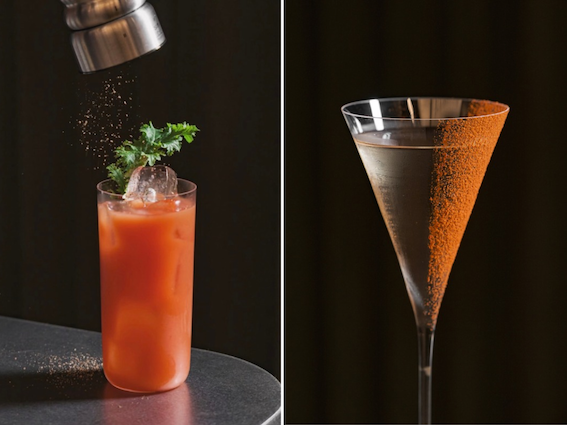
L-R: Umami Bloom and BellVere from 54° Steakhouse
When scanning a cocktail menu, we think about the flavours, the spirits, and even the garnishes. Yet ice rarely gets the same consideration. Beyond keeping our drinks cold – and possibly signalling the end of the evening when all melts, what else does ice bring to a cocktail?
PS: if you'd like to see the full quote from each sommelier and bar manager, the press kits are available through the first mention of each brand.
Ice is an Ingredient, Not an Accessory
Crafting a cocktail involves a series of intentional choices. Glassware shapes presentation, a garnish complements aromas, and temperature dictates how flavours hit the palate. Ice is part of that equation too, with its size, density and melting rate influencing how a drink develops from the moment it enters the glass.

Muhammad Safrizan (Isaac), Group Bar Manager from 1-Group
Muhammad Safrizan (Isaac), Group Bar Manager from 1-Group, is clear on the role of ice in cocktail development:
“Different drinks require different types of ice because dilution is a key component of a cocktail’s balance. When a head mixologist develops a cocktail, ice dilution is part of the R&D process.”
The Art of Dilution
The moment ice begins to melt, you may notice the cocktail tasting slightly different – perhaps lighter, perhaps with diverse nuances – as water enters the drink.
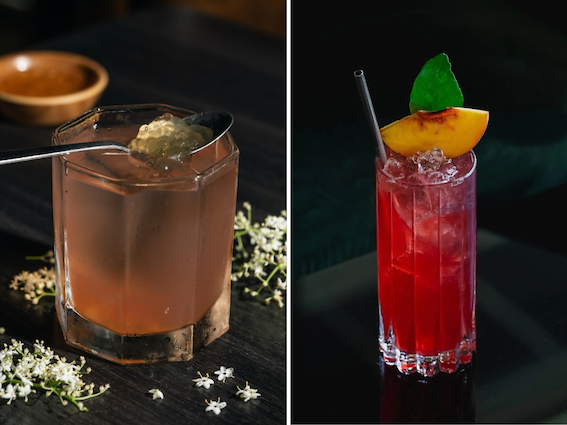
L-R: Piscop Pop from 1918 Heritage Bar at the Alkaff Mansion, Garden Fizz from 1-Arden by 1-Group
Some drinkers may think dilution is bad, but it isn’t necessarily so. For meticulous bartenders who take pride in their craft, it is an intentional part of the cocktail’s design, affecting its texture, weight, aroma and overall character as it develops in the glass.
Isaac describes how a cocktail changes as it develops:
“The drink is designed to evolve slightly as the ice melts ensuring the flavours remain balanced from the first sip to the last.”
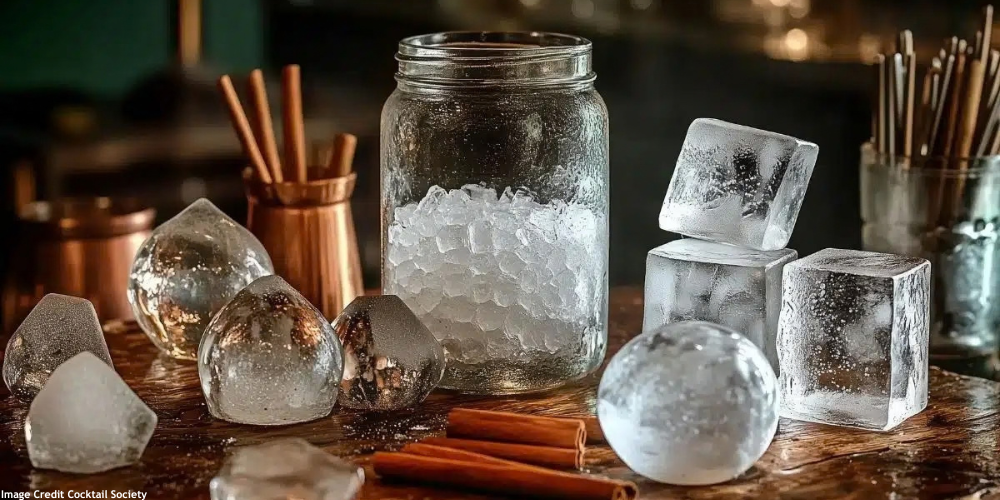
Little wonder that ice has even inspired a book of its own. Camper English – a cocktails and spirits writer and educator based in San Francisco who has contributed to titles such as Popular Science, Drinks International, and has been a judge for the James Beard Awards amongst others – published The Ice Book in 2024. This is a deep dive into all things ice and its relation to mixology: from the science of its formation and its history in mixology to freezing techniques and the technical formats used in top bars today – including large pillars, spheres and crushed or pebbled ice.
Every Cocktail Has Its Ice
Each format suits a different type of cocktail; and vice versa. Each cocktail suits a different type of ice.
Vincent Kwong, Sommelier from Loca Niru, points out:
“Crushed ice helps introduce water into a cocktail, making it a good choice for drinks that are meant to be lighter and less alcoholic. It also gives the drink a slushier mouthfeel.
As for ice pillar or big cubes, they look good in the drink and melt more slowly, which helps keep the drink cool without introducing too much water.”
For the curious, there are real science principles behind these ideas. The size of larger pieces of ice helps them stay frozen for longer, helping a drink remain chilled over an extended period and evolves the flavours more slowly. Smaller pieces melt more quickly and are better suited to drinks where a colder, more immediate chill is desired; perfect in situations where the environment is especially warm and the drinker is likely to sip more quickly.
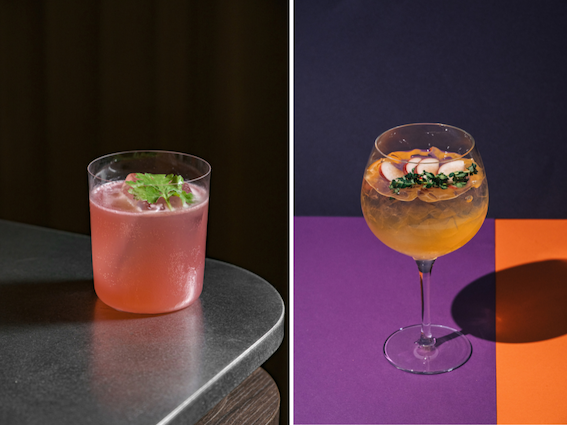
L-R: Tigrada from 54° Steakhouse, Antonio Canova from 1-Alfaro by 1-Group
A spirit-forward drink, for example, benefits from larger ice that keeps it cold while preserving its character. 54° Steakhouse’s Tigrada ($26++) combines tequila, black currant, Doc Fire bitters, fresh lime and ginger beer, shaken and served over large ice. The larger ice format helps temper the spirit’s intensity without quickly washing it out, allowing its sweet, spicy and citrusy flavours to develop in the glass.
1-Alfaro's Antonio Canova ($18++), on the other hand, embraces small ice cubes. Pairing amaro, peach, tonic and thyme in a spritz-inspired serve, the smaller format brings the drink to temperature quickly while encouraging dilution – mellowing the amaro’s bitterness while bringing forward its sweeter peach and herbal notes.
Ice in Motion
The way ice is handled during preparation matters too. Shaking and stirring create different levels of agitation, which affect how the ingredients come together.
Shaking creates greater agitation within the cocktail, rapidly moving the ice through the mixture and introduces air into the drink – a process known as aeration. In creamy or foamy cocktails, that extra air can create a fine forth across the surface.
Altro Zafferano’s Sour Italiano ($24++) uses a double shake and strain method. Maker’s Mark, Disaronno, Campari, fresh lemon, and egg white are shaken first with ice, then shaken again without. The rapid movement combines the rich, bittersweet ingredients and gives the cocktail a more velvety texture.
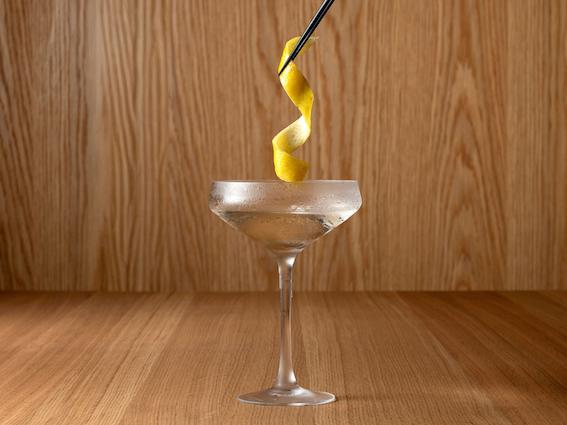
Saketini from Loca Niru
Stirring, by contrast, is a gentler method that creates a more controlled movement within the drink without significantly altering its texture.
This method was specially chosen for Loca Niru’s Saketini ($25++) which pairs vodka with super-dry Junmai Ginjo sake, London dry gin, dry vermouth and a touch of saline. Slowly stirred and strained before being finished with a twist of lime peel, the cocktail maintains clean, smooth consistency while allowing the sake’s delicate rice notes to come through.
When Ice Becomes The Look
The practical role of ice in cocktails is undeniable, but it can and often is a critical part of a drink’s presentation. The visual impact of top-quality ice – clear as transparent glass, sparkling as it catches the light; is part of its appeal; it’s even more stunning when carved into custom shapes.
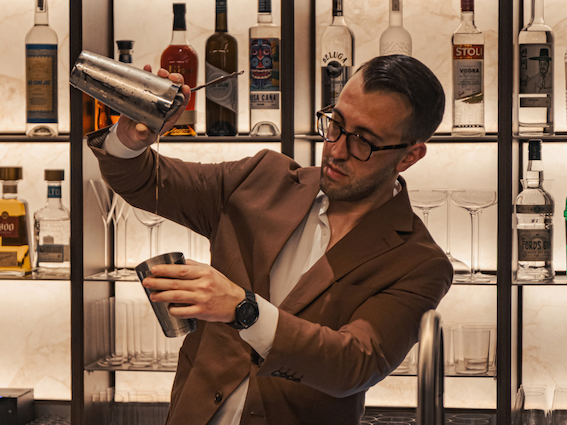
Gilbert Fosson, Group Operations Manager of Food Concepts Group at Altro Zafferano
Gilbert Fosson, Group Operations Manager of Food Concepts Group (Altro Zafferano, 54OSteakhouse, Griglia), acknowledges the growing visual role of ice in cocktails:
“Nowadays, however, large clear cuts of ice are also often used for aesthetic purposes, not only for functionality.”
Premium ice can give a cocktail a more polished appearance, not only catching the light but also adding structure to the glass. For some bars, bespoke, custom-cut ice creates a recognisable signature in the serve.
Altro Zafferano’s Romagna Fresca ($20++), a citrusy, sweet and spicy cocktail, is built directly over a custom-cut ice cube, letting the frozen centrepiece become part of the presentation.
Aesthetics offer another way for the bartender to “speak” to the customer, and in a carefully crafted cocktail, every element contributes to the final impression — ice is no exception.
The next time a cocktail lands in front of you, perhaps it’s worth noticing the ice too.
ADDRESSES
- 1-Alfaro: Labrador Tower, #34-00, Singapore 118479
- 1-Arden: CapitaSpring, Level 51, Singapore 048948
- 54O Steakhouse: 54 Amoy St, Singapore 069880
- 1918 Heritage Bar at The Alkaff Mansion: 10 Telok Blangah Green, Singapore 109178
- Altro Zafferano: Ocean Financial Centre, Level 43, Singapore 049315
- Loca Niru: House of Tan Yeok Nee, #02-01, Singapore 238466